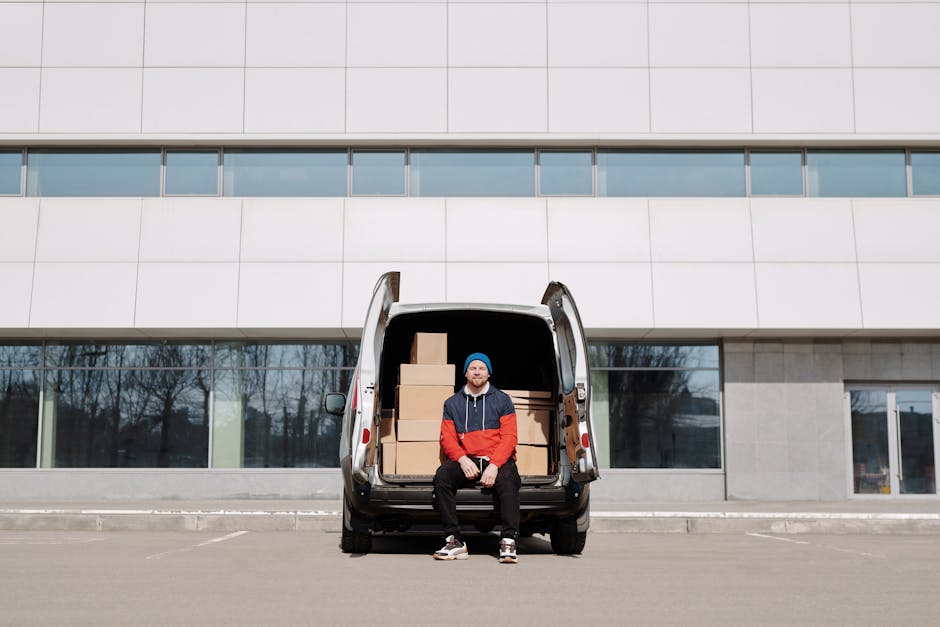
Common packing mistakes for Enfield man and van customers

If you are booking a man and van in Enfield, packing probably feels like the easy part. Box things up, tape them shut, move on. Simple, right? In practice, that is where a lot of move-day headaches begin. The most common packing mistakes for Enfield man and van customers are usually small, almost innocent-looking errors: the wrong box size, overfilled bags, loose lids, missing labels, or a van load that was never quite measured properly.
Those little choices can turn a straightforward move into a slow, awkward, slightly sweaty one. And nobody wants to be standing in a hallway at 7.30 in the morning with a half-open box of kitchen plates and no idea where the kettle went. This guide breaks down the mistakes people make, why they matter, and how to avoid them with calm, practical steps that actually help on the day.
Whether you are moving a flat near Enfield Town, shifting student belongings, or arranging a larger house move, careful packing makes the whole job smoother. It also helps your movers work faster, protects your belongings, and reduces the chance of damage. Let's get into the real-world stuff.
- Why packing mistakes matter
- How packing for a man and van move works
- Key benefits of packing properly
- Who this guide is for
- Step-by-step packing guidance
- Expert tips that save time and stress
- Common mistakes to avoid
- Tools, resources and recommendations
- Law, compliance and best practice
- Packing methods compared
- Real-world example
- Packing checklist
- Conclusion
- Frequently asked questions
Why Common packing mistakes for Enfield man and van customers Matters
Packing is not just about fitting things into boxes. For a man and van move, it affects timing, loading order, vehicle space, handling, and even whether your items arrive in one piece. A well-packed move is easier to stack, safer to lift, and quicker to unload. A poorly packed one can create those annoying five-minute delays that become thirty minutes before you know it. And yes, those minutes do add up.
In Enfield, that matters for a few reasons. Local streets can be busy, parking can be tight, and many moves involve flats, shared entrances, or stair access. If items are overpacked or loosely prepared, the loading process takes longer than it should. That can be frustrating for you and awkward for the crew. If your removal day is on a weekday morning, you will feel every unnecessary extra trip.
It also matters because packing mistakes can create hidden costs. Not always direct cash costs, though sometimes that too. More often it is the extra stress of repacking, the need for an additional journey, or the risk that a fragile item gets damaged because it was stored badly inside a box. Truth be told, good packing is one of the easiest ways to protect the rest of your move.
Expert summary: if you want a smoother man and van move, treat packing as part of the transport plan, not a last-minute chore. Strong boxes, sensible weight, clear labels, and careful load prep are what make moving day feel manageable instead of messy.
If you are comparing service options before your move, it can also help to look through the wider removal services overview and the practical guidance on packing and boxes in Enfield. Those pages sit nicely alongside this advice because packing and transport really are two halves of the same job.
How Common packing mistakes for Enfield man and van customers Works
At its simplest, a man and van move works by getting your belongings packed, grouped, carried, loaded, secured in the van, transported, and unloaded at the destination. The packing stage shapes every later step. If boxes are unstable, heavy, or poorly labelled, the loading pattern becomes slower and more awkward. If breakables are not cushioned properly, they rattle. If clothes, books, and kitchenware are all mixed together, you waste time opening the wrong box at the wrong moment. Not ideal.
Here is the part people often miss: movers do not just move boxes, they move weight, shape, and space. A box that looks fine on a shelf may be terrible in a van if it folds under pressure or cannot be stacked. Bags may be fine for soft laundry, but awful for books, glassware, or anything with a rigid edge. Packing works best when every item category has its own logic.
In a local move around Enfield, this logic matters even more. Many man and van jobs are based on efficiency. A clear plan means fewer pauses at the kerb, fewer back-and-forth questions, and fewer chances for damage during loading. That is why professional movers often appreciate when customers pack consistently. It is easier to handle, easier to stack, and easier to protect.
If your move is time-sensitive, services such as same day removals in Enfield can be especially reliant on neat packing. When the schedule is tight, there is less room for improvised repacking on the pavement. Nobody wants that sort of drama before lunch.
Key Benefits and Practical Advantages
Good packing is one of those unglamorous tasks that pays you back in a hundred small ways. It is not exciting. It is just very useful. Here is what you gain when you avoid the usual mistakes.
- Less damage risk: items are cushioned, separated, and less likely to shift during transit.
- Faster loading and unloading: labelled, balanced boxes stack better and move more smoothly.
- Better van space use: consistent box sizes and tidy packing help the load fit properly.
- Lower stress on the day: you know where things are, which box comes first, and what needs careful handling.
- Fewer last-minute surprises: you are less likely to discover broken plates, leaking liquids, or a missing charger when you arrive.
- More confidence with delicate items: special items like mirrors, TVs, lamps, and glassware can be prepared properly.
There is also a less obvious benefit: good packing helps you settle in faster. If your essentials are clearly separated, you can find bedding, toiletries, tea bags, and charging cables without opening every box like a treasure hunt. That first evening in a new place feels much calmer when the basics are easy to grab.
If furniture is part of your move, it is worth pairing packing with the right handling support. Services like furniture removals in Enfield can complement careful packing, especially for larger items that need protection or dismantling.
Who This Is For and When It Makes Sense
This guidance is useful for almost anyone using a man and van service in Enfield, but some people will feel the benefit more than others.
- Tenants moving flats: a lot of boxes, not much spare time, and usually a narrow stairwell somewhere.
- Students: often moving on a budget, with mixed items and too many small belongings.
- Homeowners downsizing: careful decisions are needed about what to pack, store, donate, or move.
- Families moving house: larger loads demand planning, labelling, and sensible grouping.
- Small businesses: office equipment, files, and tech all need extra order.
It also makes sense if you are booking through a broader local move, such as house removals in Enfield or flat removals in Enfield. The size of the move changes the amount of packing you need, but not the basic principles. Smaller moves still fail for the same reasons: poor box choice, loose wrapping, and no label system.
And if you are a student in a hurry, the article still applies. In fact, student moves are where the classic mistakes show up most often. A laundry bag of books. A bin bag of tangled cables. A mug wrapped in one page of newspaper. We have all seen it. Or at least, something close enough.
Step-by-Step Guidance
Here is a practical way to pack for a man and van move without making a mess of it. Keep it simple. That tends to work best.
- Sort by room first. Pack bedroom items together, kitchen items together, and so on. Room-based packing saves a lot of time later.
- Separate essentials. Make one bag or box for overnight needs, chargers, medication, snacks, and documents.
- Choose the right containers. Use sturdy boxes for heavy items and softer storage only where it makes sense.
- Keep weight manageable. If you cannot lift a box comfortably, it is too heavy. Simple test, really.
- Cushion fragile items well. Wrap glass, ceramics, and ornaments individually. Fill gaps so things do not slide around.
- Seal and reinforce. Tape the base and top properly. If the box gives way when lifted, it was not ready.
- Label clearly. Write the room, contents, and any handling note such as "fragile," "top load only," or "open first."
- Keep awkward items separate. Mirrors, lamps, plants, and odd-shaped objects often need their own approach.
- Check access details. Make sure boxes can fit through doors, down stairs, and into the van without forcing them.
- Stage the load area. Before the movers arrive, place packed items in a sensible order so the heaviest and first-out items are easy to reach.
A good move is often the result of boring consistency. One labelled box is helpful. Ten labelled boxes are a system. A system saves the day.
Expert Tips for Better Results
To be fair, most packing advice online is either too obvious or far too fussy. The useful bits are the practical bits, so here are the tips that tend to make a real difference.
- Use smaller boxes for heavy items. Books, tools, and tins should never go into giant boxes unless you want regret.
- Pack by unpacking priority. Items you need first should go into a clearly marked essentials box, not buried under bedding.
- Keep liquids upright and sealed. If a bottle can leak, double-bag it or leave it behind. That smell of cleaning spray inside a box is never a good sign.
- Do not mix fragile and non-fragile items. It usually ends in chips, cracks, or unnecessary wrapping.
- Photograph cable setups. A quick phone photo before unplugging a TV, router, or desktop can save time later.
- Use wardrobe boxes or garment bags where sensible. Formal clothes, coats, and workwear stay cleaner and less creased.
- Keep hardware together. Put screws, brackets, and small parts in labelled bags taped to the furniture they belong to.
- Think about the destination. If you are going into a flat with stairs or a narrow hallway, pack for ease of carrying, not just storage.
One practical trick that helps a lot: pack one "first night" box per person or per household. Include bedding, a charger, toilet roll, a mug, kettle essentials, and basic toiletries. It is a tiny thing, but at 9.15 p.m. after a long move, it feels like gold.
Common Mistakes to Avoid
This is the heart of it. If you avoid these, you are already ahead of a lot of people.
1. Overfilling boxes
This is probably the most common mistake. People keep adding just one more thing until the box becomes a small workout. Overfilled boxes split at the bottom, are hard to lift, and can injure the person carrying them. It is especially risky with books, kitchenware, and files.
2. Using bags for everything
Bin bags and soft shopping bags are fine for light, non-breakable items. But they are a poor choice for anything that needs structure. Bags sag, crush, and shift in the van. They also stack badly. A box does a better job nearly every time.
3. Mixing room contents
When one box contains kitchen plates, spare cables, toiletries, and a random lamp bulb, unpacking becomes chaos. It also slows down movers because they cannot tell where the load should go at the other end.
4. Forgetting to label properly
A box with no label is a mystery box. Fine at Christmas, less fine during a move. Even a simple label like "Bedroom - bedding" can save time. Add fragile or orientation notes if needed.
5. Packing fragile items with no padding
Glass needs cushioning. So do ceramics, picture frames, and ornaments. Wrapping is not optional here. If you can hear items clink inside the box, they are telling you something useful.
6. Leaving heavy items until last
Heavy boxes often become rushed boxes. That is a bad combination. Put them together early, keep them manageable, and let them sit where they can be loaded in the right order.
7. Ignoring access and shape
A box that is theoretically packed well may still be awkward if it is too wide for a narrow landing or too tall for a van stack. Think about how the item travels, not just how it looks sitting still.
8. Packing things you should not move yourself
Some items need special handling, extra care, or separate arrangements. That includes certain electronics, valuables, and awkward high-risk items. If in doubt, ask before the day arrives. It is better than improvising with bubble wrap and hope.
9. Not preparing an essentials kit
If the first thing you need after arrival is in the last box off the van, you have created a very annoying evening for yourself. Keep the essentials close.
10. Assuming the mover will fix everything
Professional movers can help, but they cannot magically reorganise a badly packed home in ten minutes. Good preparation makes their job easier and makes yours cheaper in effort, even if nobody says that out loud.
Tools, Resources and Recommendations
You do not need a warehouse full of equipment to pack properly, but a few basics help a lot.
- Strong boxes: ideally in a few sizes so you can match container to contents.
- Packing tape: proper tape, not the half-empty roll from a drawer that keeps splitting at the edge.
- Marker pens: for clear labels on multiple sides of the box.
- Bubbl? wrap or paper: for fragile items and void filling.
- Blankets or soft wraps: useful for larger items and furniture protection.
- Zip bags: ideal for screws, chargers, and small loose parts.
- Scissors or a tape dispenser: because wrestling with tape by hand is somehow always worse than you expect.
If you need help with supplies, storage, or the move itself, the site pages on storage in Enfield and removals in Enfield can be useful starting points. For people who want a bit more guidance before they begin, package and boxes in Enfield is also a relevant page to review, especially if you are unsure what packaging setup suits your move.
If your move is part of a broader local plan, you might also find the blog section helpful, especially articles like man and van service for Ponders End High Street moves and EN1 removals tips for Southbury and Carterhatch Estate. They add useful local context without overcomplicating things.
Law, Compliance, Standards, or Best Practice
For most customers, packing is a practical task rather than a legal one. Still, there are a few common-sense standards worth keeping in mind.
First, safe lifting matters. Overly heavy boxes are not just inconvenient; they are a poor manual handling choice. In the UK, employers and service providers are expected to take health and safety seriously, which is why reputable moving companies usually prefer sensible box weights and clear handling. That is standard good practice, even when a move is small.
Second, transport safety matters. Items should be packed so they do not shift, topple, or leak during the journey. That protects both your belongings and the vehicle. If you are using a professional service, it is reasonable to expect careful loading methods and sensible stacking.
Third, insurance expectations often depend on proper packing. If something is badly packed by the customer, it may affect whether a claim is straightforward. The safest approach is to read the provider's insurance and safety information and check the terms and conditions before move day. That is not being fussy. That is just sensible.
You can also review the company's health and safety policy and recycling and sustainability approach if you want a clearer sense of how packing materials and removals are handled responsibly. These pages help set expectations in a straightforward way.
Options, Methods, or Comparison Table
Not every move needs the same packing style. Here is a simple comparison that helps you choose the right approach.
| Packing method | Best for | Strengths | Drawbacks |
|---|---|---|---|
| Standard mixed boxes | General household items | Quick to prepare, easy to stack | Can become disorganised if not labelled well |
| Room-by-room packing | Most house and flat moves | Easy to unpack, better organisation | Takes a little more planning |
| Essentials-first packing | Families, busy professionals, same-day moves | Helps you settle in quickly | Needs discipline to keep the kit separate |
| Fragile-only packing | Glassware, ornaments, kitchen items | Strong protection for delicate items | Uses more material and time |
| Hybrid packing with storage | Moves with a gap between properties | Flexible, practical for staged relocation | Needs clearer labelling and inventory control |
If you are not sure which method suits you, room-by-room packing is usually the safest default. It is clear, orderly, and easy to manage even if the move gets delayed a little. A nice, boring system. Exactly what you want on moving day, frankly.
Case Study or Real-World Example
Here is a realistic example. A customer in Enfield was moving from a two-bedroom flat and thought they were prepared because everything was "boxed up." In practice, that meant a few large boxes stuffed with books, mixed kitchen items, and spare bathroom products, plus several soft bags with clothes and loose household bits. Nothing was labelled. One box even had a lamp base, a mug, and a router cable in it. A classic moving-day puzzle.
When the van arrived, loading took longer than expected because the boxes were too heavy to stack neatly and the bags kept slipping around. At the new place, the customer needed bedding and toiletries first, but they were buried. The move still got done, of course, but it felt far more chaotic than it needed to be.
The next time they moved, they did it differently. Smaller boxes for books. Separate fragile boxes for kitchenware. One clearly marked essentials box. Hardware and cables bagged and taped to the relevant furniture. The result was not magic. It was just better organisation. But the difference was huge: quicker unloading, fewer worries, and a much calmer first evening.
That is the whole point, really. Packing better does not make moving glamorous. It just makes it easier to live with.
Practical Checklist
Use this checklist before your man and van arrives. It is simple on purpose.
- All boxes are sealed properly
- No box is too heavy to lift safely
- Fragile items are wrapped and cushioned
- Room names are written clearly on every box
- Essentials are packed separately and easy to reach
- Liquids are sealed and upright
- Loose screws, cables, and fittings are bagged and labelled
- Furniture is emptied before collection
- Paths, stairs, and doorways are clear
- Parking or access arrangements are confirmed
- Valuables and important documents are kept with you
- Any special items are flagged in advance
If you can tick most of those off, you are in decent shape. If not, take ten minutes and sort the weak spots. That small effort usually pays off more than people expect.
Conclusion
The common packing mistakes for Enfield man and van customers are usually not dramatic. They are everyday errors: overfilled boxes, weak labels, mixed contents, and rushed preparation. But those little mistakes create the biggest frustrations on moving day. They slow the load, increase the risk of damage, and make settling in harder than it needs to be.
Pack with the van in mind, not just the room in front of you. Use sturdy containers. Keep weights sensible. Label clearly. Separate your essentials. If you do that, you will notice the move feels less like a scramble and more like a process with a bit of shape to it. Not perfect, maybe, but much better.
If you are still planning your move, it can help to explore the wider local service pages, review the details around pricing and quotes, and make sure your chosen support matches the size and pace of your move. A little preparation now saves a surprising amount of stress later, and honestly, that is worth doing.
Get a free quote today and see how much you can save.
And when the last box is in place and the kettle is finally on, that quiet sense of relief is a lovely thing.
Frequently Asked Questions
What are the most common packing mistakes for Enfield man and van customers?
The biggest mistakes are overpacking boxes, mixing items from different rooms, failing to label boxes, and not cushioning fragile belongings properly. Loose bags and heavy, unstable boxes are also common problems.
Does poor packing really affect the cost of a man and van move?
It can affect the overall value of the move, yes. Poor packing often slows loading, creates extra handling, and may lead to additional time on site. Even if there is no direct extra charge, it can still make the move less efficient.
Should I use boxes or bags for most items?
Boxes are usually the better option because they stack more safely and protect the contents more effectively. Bags are fine for soft, lightweight items like bedding or clothing, but they are not ideal for books, glass, or heavy household goods.
How full should a moving box be?
Full enough that items do not shift around, but never so full that the box bows, splits, or becomes too heavy to lift comfortably. If you are straining to carry it, it is too full.
How do I pack fragile items safely?
Wrap each fragile item individually, fill gaps inside the box, and use a clearly marked fragile label. Try to keep heavy items away from delicate ones, and use smaller boxes so the load is easier to handle.
What should go in an essentials box?
Pack the things you will need immediately after the move: chargers, toiletries, toilet roll, a change of clothes, medication, bedding, snacks, and a kettle or tea setup if you want a proper first night.
Are there any items I should not pack with everything else?
Yes. Keep valuables, important documents, prescription items, and anything you may need urgently with you. Some awkward or high-risk items may also need separate handling, so it is worth checking in advance.
How early should I start packing before moving day?
As early as you reasonably can. Start with items you use least, such as spare bedding, books, ornaments, and seasonal things. Leaving everything to the final day usually leads to rushed packing and avoidable mistakes.
Do I need special packing materials for furniture?
Sometimes, yes. Larger pieces benefit from blankets, wraps, or protective materials, especially if you want to prevent scratches and knocks. For more delicate or bulky items, furniture-specific support can make a noticeable difference.
What if I am moving at short notice?
Short-notice moves can still go smoothly, but you need to be more selective. Pack essentials first, keep boxes simple, and avoid trying to create a perfect system. For quicker moves, the practical pages on same day removals in Enfield can be useful.
Does good packing help with insurance or claims?
Usually it does. Proper packing reduces the chance of damage in the first place and helps show that belongings were prepared sensibly. It is always wise to check the provider's insurance and packing expectations beforehand.
What is the easiest way to stay organised during a move?
Use one system and stick to it. Room labels, consistent box sizes where possible, an essentials kit, and clearly bagged hardware are usually enough. It does not need to be fancy. It just needs to be repeatable.
Is it worth reading more about Enfield moving services before I book?
Yes, especially if your move includes furniture, storage, or a tight timetable. The more you understand the service format, the easier it is to pack properly and choose the right level of support. A quick look through the site's service information can save you a lot of guesswork.