Man and van in Enfield

Our man and van in Enfield is set up for practical local moves, furniture transport and straightforward clearances that need careful handling rather than a full-scale removals team. The service suits customers who want a managed loading and transport option with flexible vehicle use, sensible planning and attention to items that need to stay secure in transit. If you need help moving a few items, a room’s contents or a lighter home load, this page outlines the main ways we work.
We support domestic and business moves with a straightforward approach: protect the items, plan the route and use the right vehicle for the load. That can include single bulky pieces, boxes, household furniture, small office contents and general transport between addresses. For fuller details of our wider moving services, see our removal services and the related home moves page. If you are comparing options and want to understand the likely cost factors first, you can also review our pricing and quotes information.
Some customers use a man and van for a one-off item, while others need help with a short-notice move that still deserves proper loading discipline. Either way, the aim is to keep the process clear and efficient. Good access details, a sensible order for loading and a realistic idea of the volume all help the work run smoothly. If you already know what needs moving, tell us the essentials and ask for a quotation.
Everyday moving support
Our everyday moving work covers the kind of jobs that do not always suit a large removal lorry but still need a dependable vehicle and careful handling. That may mean collecting an item from a seller, moving furniture between rooms or transporting household goods from one address to another. We work with the load in front of us rather than forcing it into a fixed mould, so the transport solution can match the move more closely.
For customers who need help with household belongings, the job is usually about keeping the load tidy, stable and easy to place at the other end. Sofas, wardrobes, tables, boxes, appliances and mixed loose items all benefit from sensible positioning and protection. If you are planning a home move and want a broader overview of domestic moving support, our house removals page explains that side of the service in more detail, while the house movers page is useful if you are comparing removal help for a property change.
In practice, good preparation starts with the right detail. A simple inventory, clear access notes and an idea of which items are heavy or fragile make it easier to plan vehicle space and loading order. These details do not need to be complicated, but they do need to be accurate. If you are ready to discuss a move, send the basics and ask for a quote so the job can be matched to the right approach.
Furniture, single items and careful loading
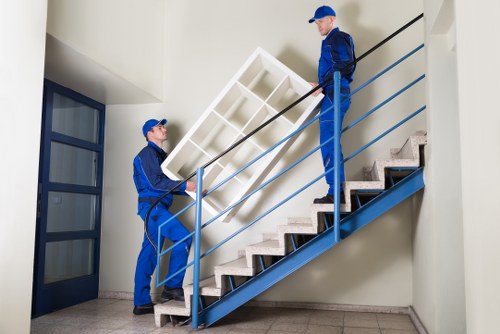
Furniture transport is a common reason to book a man and van because it sits between parcel delivery and a full removal package. Items such as beds, wardrobes, sofas, desks and cabinets often need more than simply lifting into a vehicle; they need considered handling so corners, finishes and fittings remain in better condition. That is especially important when the item is awkward, heavy or part-assembled.
If the job is mainly one or two items, the service can stay focused and efficient. A small load does not mean a careless load; it means the vehicle space, lifting order and route can be planned around exactly what needs to move. For related transport options, the furniture pick-up page is a useful match for collections, and the moving van page gives another view of transport for moving loads. When a customer needs the broader category rather than a single task, the man with van service description may also be relevant.
We treat loading as part of the job, not as an afterthought. A stable arrangement helps to limit shifting during transit and makes unloading more manageable at the destination. Framed items, glass shelves and mixed household pieces can often travel well when packed in a logical order. If you need a quotation for a furniture move, share what is going, where it is going and any access limits.
Home moves and smaller relocations
Smaller domestic relocations often need a service that is simpler than a full removal package yet still organised enough to cope with stairs, parking or tight loading points. A man and van can be a practical fit when the move involves fewer rooms, a modest amount of furniture or a household that has already been partly packed. The emphasis stays on secure transport, sensible timing and making each stage of the move easier to manage.
Some customers prefer to break a move into parts, sending larger items first and then following with boxes or smaller belongings later. Others want everything carried in one journey where possible. Both approaches can work when the load is discussed clearly at the outset. If you are comparing domestic options, our house removalists page gives another route into household moving support, while house movers is a helpful reference for broader property moves. The right choice depends on volume, access and how much help is needed with lifting and placement.
One useful rule is to keep the move as clear as the space allows. Mark the pieces that must be handled with extra care, group boxes by room if that helps, and note any item that cannot be stacked. That makes it easier to load in a sequence that protects the goods and reduces unnecessary handling. When you are ready to move on from planning to action, ask for a quotation and outline the load.
Office relocation and business transport

Our man and van service can also support small office relocations and business transport where the workload is lighter than a major commercial move. That might involve desks, office chairs, boxed files, compact storage units or equipment that needs moving between nearby sites. A focused vehicle-and-lifting service works well when the aim is to relocate items cleanly without unnecessary complexity.
For larger workplace projects, a dedicated commercial move plan may be more suitable. If you need to compare that type of service, our commercial moves page is a sensible starting point, and office removals explains a more office-specific approach. The broader office relocation services page is also useful for customers who want to assess how business contents might be moved in stages or with a structured handover. Where only a small load is involved, though, a man and van can be the better fit.
Business jobs often need a little extra coordination, especially if access times are limited or items have to be kept in a particular order. That may mean packing files separately, labelling computer equipment or making sure desks are dismantled before collection. These steps are not complicated, but they do help the move stay orderly. If your company needs transport for a smaller relocation, request a quote and tell us what needs moving.
Planning, packing and what to tell us
When a move is quoted accurately, the details are usually practical rather than complicated. The main things that help are the number of items, whether any pieces need dismantling, how far the vehicle has to carry each item and whether parking or stairs may slow the job. It is also useful to mention anything particularly fragile, unusually heavy or awkward to carry. That allows the work to be scoped with fewer surprises on the day.
If you want to prepare in a simple way, the most helpful steps are often straightforward: group belongings into rooms or categories, identify anything that needs careful wrapping, and make sure the path from the property to the vehicle is as clear as possible. You do not need to overdo the admin. A short note on access and load size is usually enough to start the conversation. Customers who want a general overview of moving equipment can also look at the moving truck and moving van pages, which sit alongside the practical vehicle options.
Use the quote stage to be precise rather than lengthy. A concise list of items, timings and access details often gives the best starting point, especially if the job involves mixed furniture and boxes. That way, the service can be planned around the actual load instead of a rough guess. If you already know the basics, ask for a quotation now and provide the key moving details.
About Enfield
Enfield is a large town in north London, historically associated with the former Middlesex area and now part of the London Borough of Enfield. Its centre combines high-street shopping, civic buildings and older streets that reflect centuries of change from market town to metropolitan suburb. The area includes a mix of residential districts, open spaces and transport corridors, which gives it a varied urban character rather than a single uniform centre. Enfield Town, often treated as the historic core, developed around the parish church of St Andrew and the green, and remains one of the best-known focal points in the borough. The borough also contains places such as Southgate, Edmonton, Palmers Green and Winchmore Hill, each with its own local identity and pattern of streets. Green spaces are a notable part of the wider area, including Trent Country Park to the north, Forty Hall Estate with its historic house and grounds, and the Lee Valley corridor on the eastern side. The New River, an early seventeenth-century aqueduct built to bring drinking water into London, runs through parts of the borough and is one of the more distinctive historic landscape features. Rail and Underground links connect different parts of Enfield with central London and neighbouring districts, while older roads still reflect the area’s long growth along historic routes. Architectural layers can be seen in parish churches, Victorian terraces, interwar housing and newer developments, creating a built environment that shows how the town expanded over time. Local markets, libraries, parks and community venues help to shape everyday life, and the borough’s public spaces are used for both recreation and civic activity. The result is a place with a strong sense of historical continuity, but also a practical modern character shaped by housing, transport and everyday commerce.
Domestic lifting, access and transport choices
Not every move needs the same kind of help, so it is useful to think about the load in practical groups. One job might be mostly boxes, another may be a mixture of furniture and fragile household contents, while a third could involve an awkward item that needs more careful lifting than the rest. That variety is exactly where a man and van can be effective, because the transport plan can be shaped around the real job rather than a generic package.
At this stage, the most useful decision is usually whether the move is mainly about transport, heavier lifting, or a combination of both. If access is simple, the job may stay quick and direct. If there are stairs, narrow halls or awkward parking, the schedule and loading order may need more thought. Our moving van and removal van pages are relevant when the vehicle choice matters, while the removals van page gives another angle on a smaller move vehicle. The point is to match the practicalities of the load, not to overcomplicate them.
Good decisions also make unloading easier. If furniture is headed into different rooms, say so early; if certain boxes need to stay upright, note that too. A move often goes more smoothly when the vehicle sequence reflects the destination layout. Keep the instructions focused, avoid unnecessary detail and ask for a quote once the essentials are clear.
Collections, clearances and van-based removals
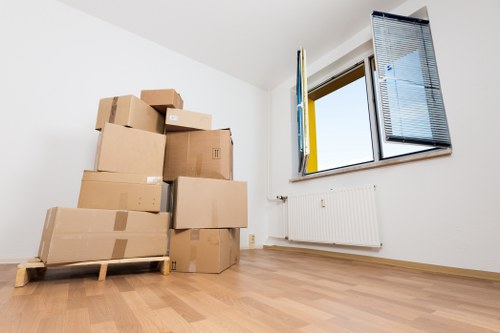
Van-based removals are not only about moving from one home to another. They can also support collections, local clearances and transport jobs where the destination is straightforward but the load still needs to be handled with care. That may suit customers who are replacing furniture, sending surplus items to another address or clearing a room in stages. A single vehicle and an organised loading process can be enough for many of these tasks.
If a job is closer to a pickup than a house move, it still benefits from the same basic standards: protect surfaces, load logically and keep anything fragile away from pressure points. For more information on collection-style work, the furniture pick-up page is a natural fit, while man with van removals and man with van removal are useful if you are comparing service wording for a smaller moving job. Where a customer needs a general removals overview, removals and removals near me are also relevant destinations.
The practical benefit of this sort of service is that it can stay simple without becoming rushed. A clear handover, the right lifting approach and a sensible route are often enough to keep the work orderly. If you are planning a collection, clearance or lighter move, send the item list and ask for a quotation so the transport can be set up properly.
Packing, handling and service boundaries
There are sensible limits to what a man and van is best used for, and it helps to be open about them. Very large removals, highly complex multi-day moves or jobs that need a specialised team may call for a broader service than simple transport support. By contrast, a smaller household or business load can often be handled efficiently when the route, volume and access points are clear from the start. Matching the job to the service is part of doing it well.
For customers who want more structured help with packing and unpacking, our packing and unpacking services page may be useful alongside the transport options. Some people only need selected items wrapped or boxed before loading, while others want a fuller preparation stage. Either way, careful packing reduces the risk of movement in transit and can make placement easier on arrival. The aim is not to create unnecessary steps, but to make the moving process more manageable where it matters.
Two small habits often make a noticeable difference: keep the most fragile items apart from heavier ones, and decide in advance what must be loaded last so it comes off first. Those decisions save time and reduce handling. If you want to move ahead, ask for a quote and outline the items that need extra care.
Getting a quotation

When you ask for a quotation, the most helpful approach is to keep the message short but specific. Include the collection and delivery areas, a rough idea of the number of items, whether there are stairs or difficult access points, and whether any pieces need dismantling before transport. If you are comparing the service with other removal options, the removal company and removal companies pages can also help you see how a man and van sits alongside wider moving services.
We use that information to judge the right vehicle approach, the likely loading effort and the best way to organise the job. Clear details are especially helpful when the move includes mixed furniture, boxes and a few heavier items, because it allows the planning to stay realistic. The aim is to give a quotation that reflects the actual work rather than a broad estimate that misses important points. If you are still weighing up options, you can also check the movers page for a more general view of moving support.
To arrange your quotation, send the basics today and say what needs moving, where it is going and when you would like it done. If you prefer, you can start with a simple enquiry and add the rest once the main details are confirmed. The more accurate the load description, the easier it is to match the service to your move and keep the process straightforward.